Blog
Why Trash Can Cleaning Matters in Colonial Heights and Chester, VA If you live in Colonial Heights or Chester, you already know how quickly heat and humidity can turn a trash can into a smelly mess. It does not take long for leftover food, spilled liquids, and everyday garbage to create odors, attract flies, and leave your bins looking rough. That is not just a guess. The Virginia Department of Health explains that mold and other growth can become active quickly when moisture and high humidity are present, especially when temperatures rise above 65°F. You can read more here: Virginia Department of Health Mold Guidance . Why Dirty Trash Cans Become a Problem Fast Trash cans deal with moisture, food residue, and decaying organic material all at once. According to the EPA, flies breed in animal waste and moist organic material, and female flies often lay eggs in those environments. The EPA also notes that flies are carriers of numerous diseases because they breed and feed on garbage, waste, and human food. That can lead to: Strong odors near your garage or driveway Flies and maggots showing up faster than expected Bacteria and grime buildup A mess that nobody wants to deal with on trash day Why This Matters for Homeowners in Colonial Heights and Chester In warmer Virginia weather, trash cans can go from annoying to nasty in a hurry. When bins sit outside in the sun, moisture and residue create the kind of environment pests love. The EPA recommends starting with pest prevention first, which includes reducing the conditions that attract pests in the first place. You can review that guidance here: Do's and Don'ts of Pest Control | US EPA . Regular trash can cleaning helps: Reduce odor-causing buildup Lower the chances of attracting flies and other pests Keep your bins cleaner and more sanitary Improve the look and feel of your property Make handling your trash a lot less unpleasant How Often Should You Clean Your Trash Cans? For most homes in Colonial Heights and Chester, monthly cleaning is a smart routine. If you cook often, have a larger household, or notice odors building up quickly, more frequent cleanings may make sense. The goal is simple: do not let buildup sit long enough to become a bigger problem. DIY vs. Professional Trash Can Cleaning You can absolutely clean your trash cans yourself, but it is one of those jobs most people put off for as long as possible. It takes time, it smells terrible, and it can create dirty runoff if it is not handled carefully. A professional cleaning service helps by: Removing stuck-on grime Washing out odor-causing residue Sanitizing the inside of the bin Saving you the time and hassle of doing it yourself Final Thoughts Trash cans are one of the easiest things around the house to ignore until they start smelling awful. But in places like Colonial Heights and Chester, where heat and humidity can speed things up, regular cleaning makes a real difference. If your bins are starting to smell worse than they should, attract flies, or just look rough, it may be time to stop ignoring them and get them cleaned. Stop putting off one of the nastiest jobs around your home. Call EcoFresh Bins Solutions LLC today for professional trash can cleaning in Colonial Heights and Chester, VA.
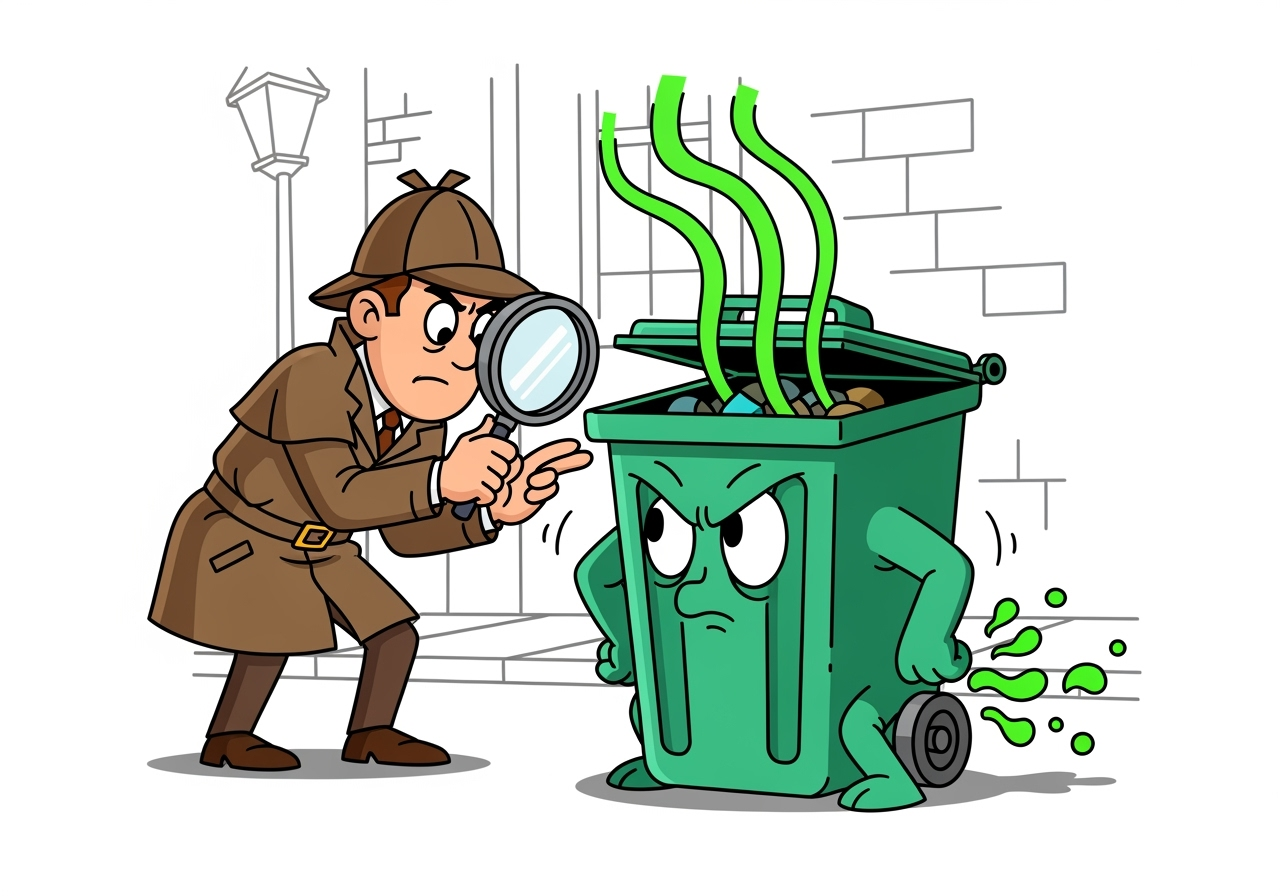
Discover why your trash can smells like a crime scene & how EcoFresh Bins solves the stinky mystery! Professional bin cleaning in Colonial Heights, Petersburg & Hopewell VA eliminates 99.9% of bacteria with eco-friendly hot water sanitization. Same-day service available!
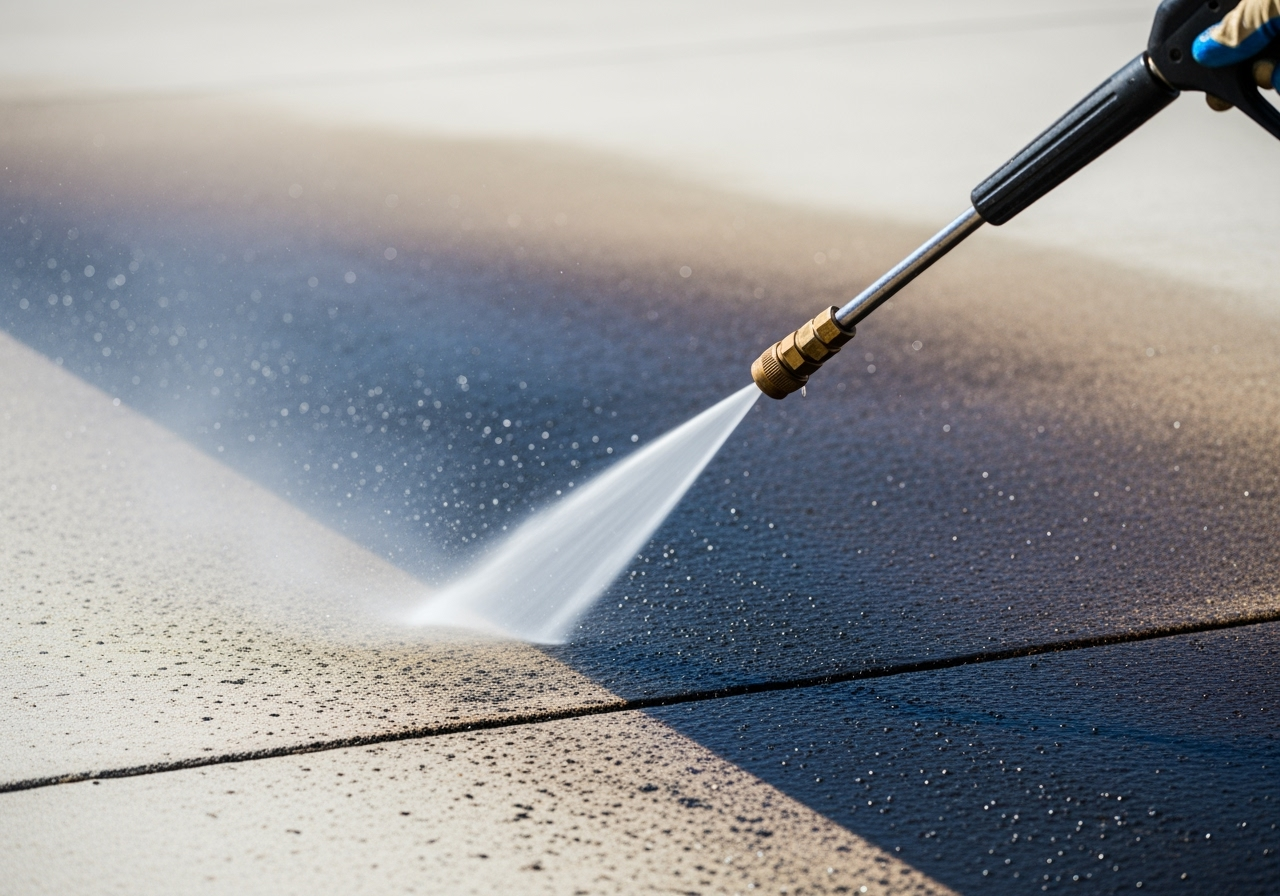
Discover 10 surprising facts about pressure washing that will blow your mind! From bootlegger origins to property value benefits, learn what makes this cleaning method so effective
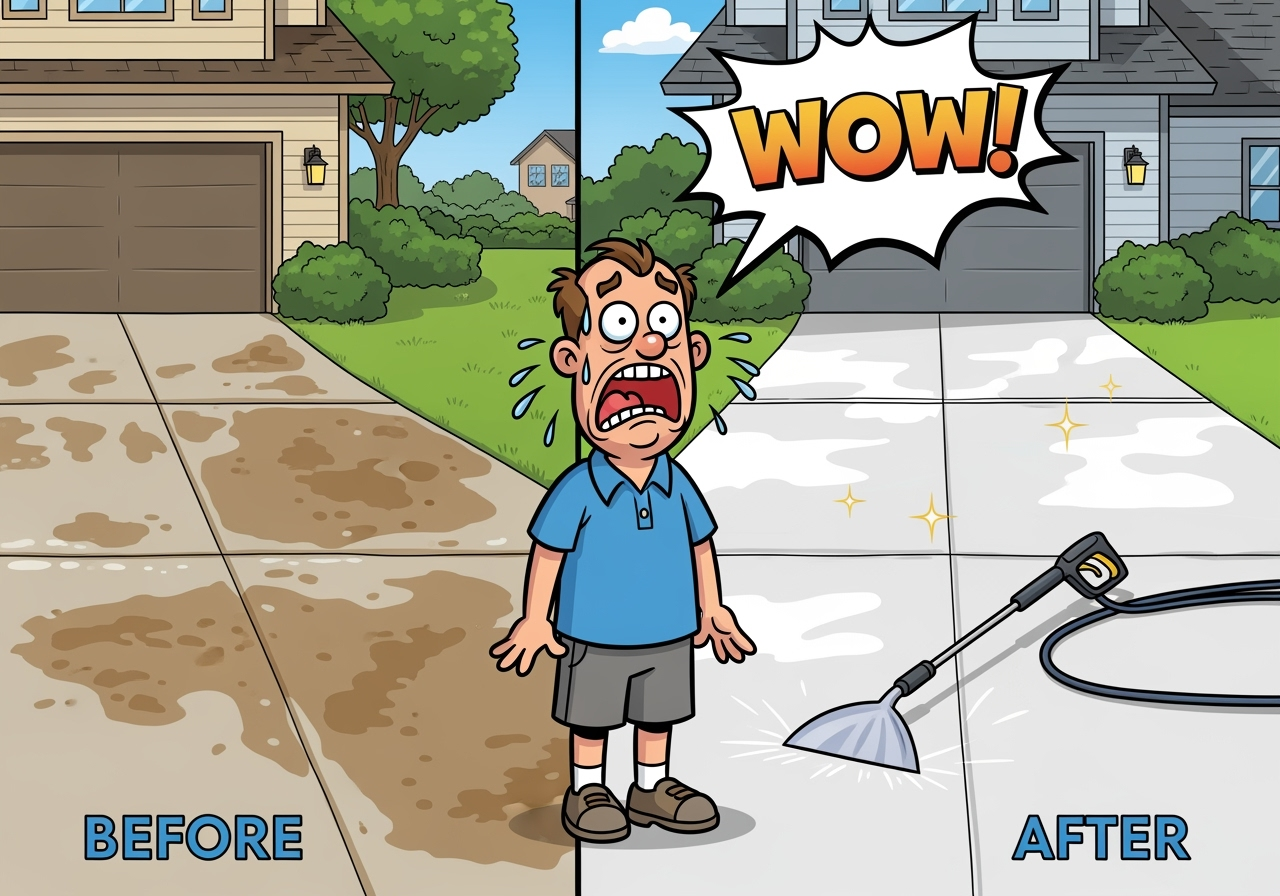
Expert pressure washer services in Colonial Heights, Petersburg & Hopewell VA. Veteran-owned EcoFresh Bins offers eco-friendly residential & commercial power washing. Call (804) 892-9983.
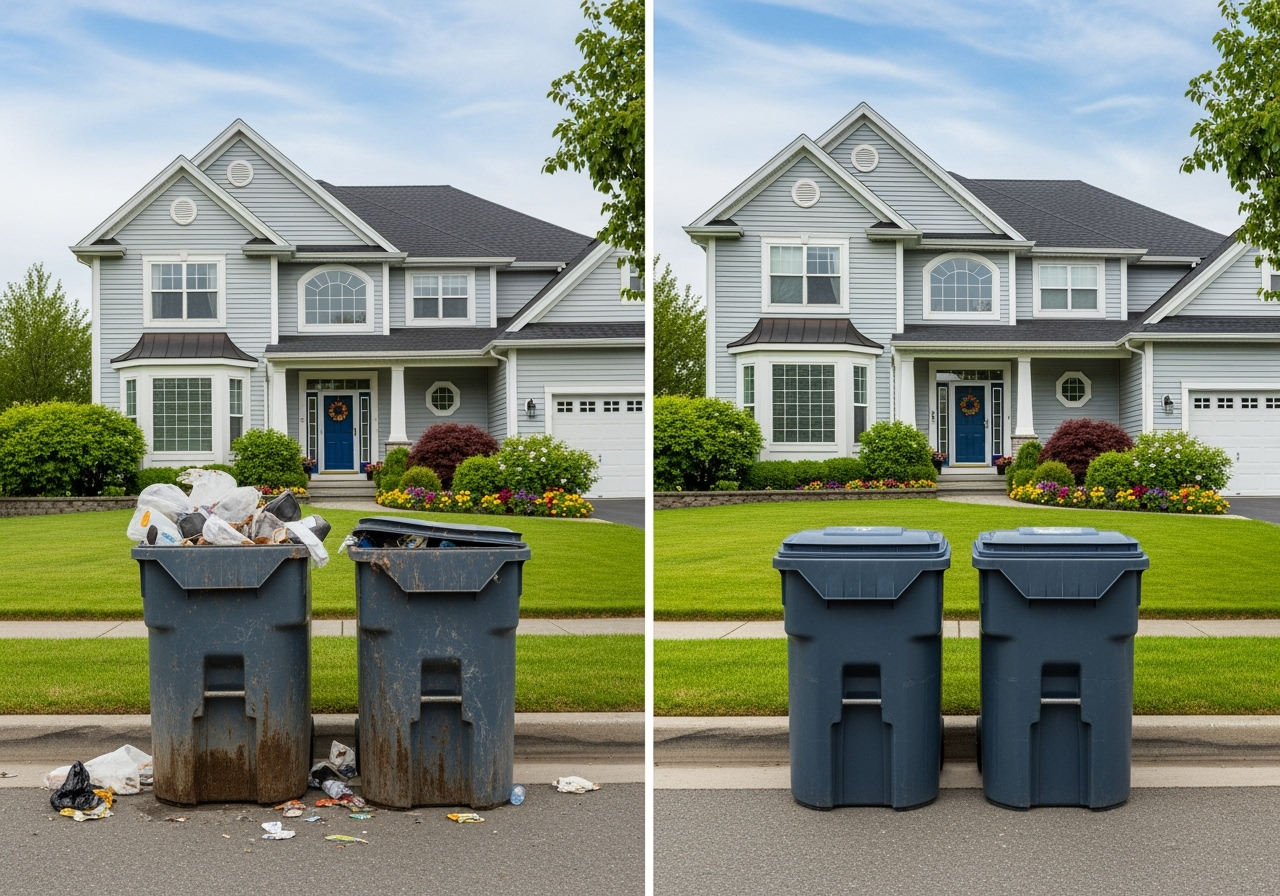
Professional trash can cleaning in Colonial Heights, Petersburg & Hopewell. Eco-friendly, veteran-owned service starting at $18/month. Schedule today! (804) 892-9983
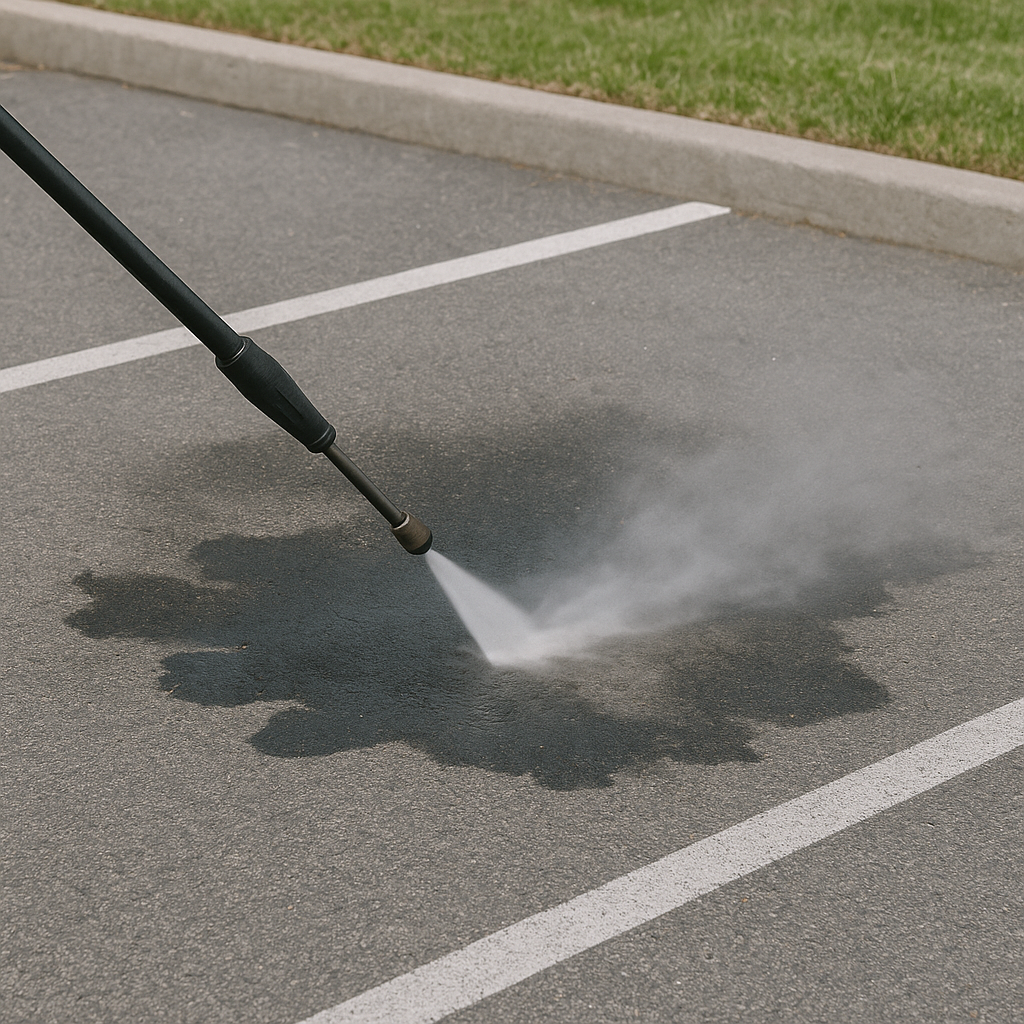
Commercial pressure washing removes oil stains from parking lots using hot water and eco-safe degreasers. Trusted by Central VA businesses.
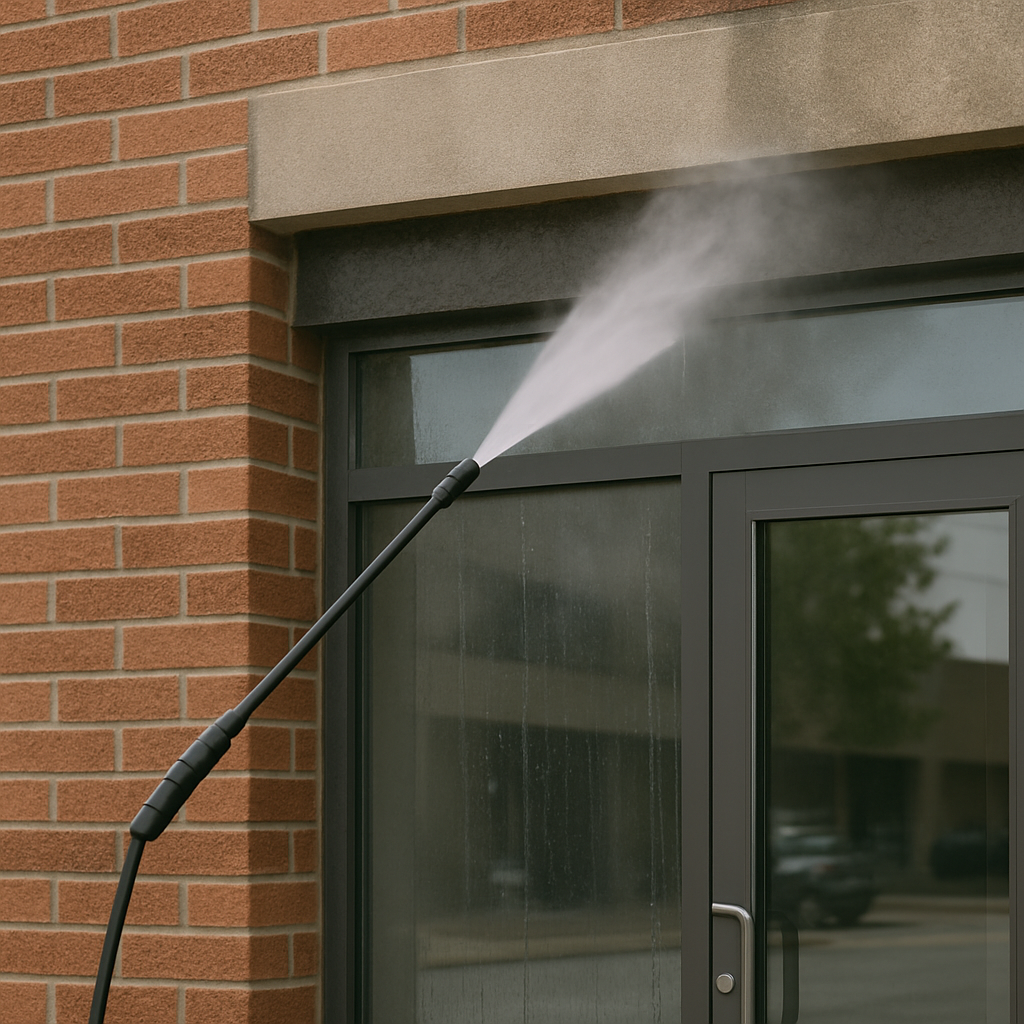
Learn how often your business should schedule pressure washing in Central Virginia to prevent damage, boost curb appeal, and stay compliant.
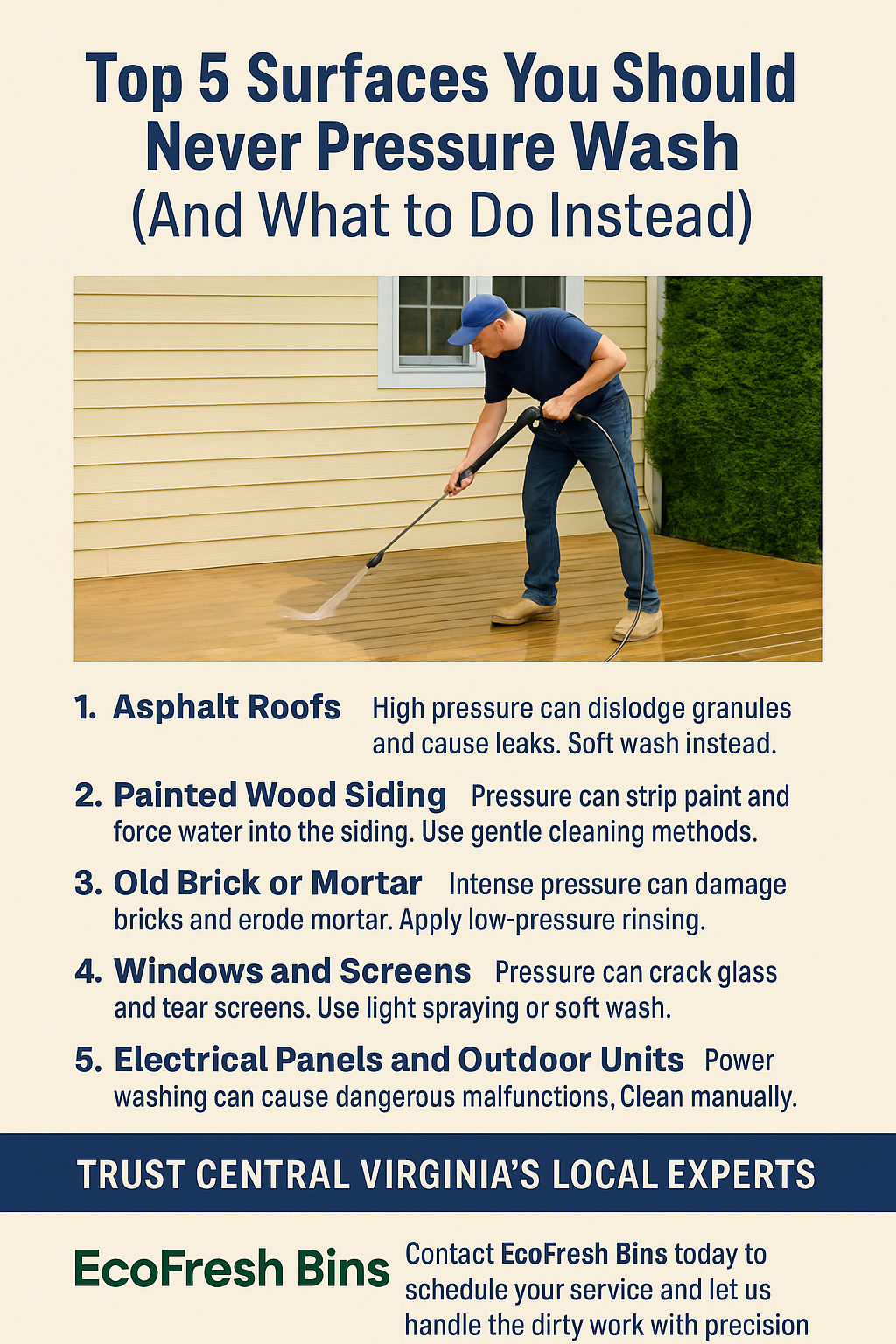
Pressure washing is a powerful and effective way to clean exterior surfaces—but when misused, it can cause serious and expensive damage. While it's tempting to blast away dirt on everything in sight, some materials simply aren’t made to withstand high-pressure water. At EcoFresh Bins, we specialize in professional pressure washing and trash bin cleaning services across Central Virginia. In this article, we’ll cover the top five surfaces you should never pressure wash and offer safer alternatives to keep your property clean and damage-free. 1. Asphalt Roofs Why Not: High-pressure water can strip away the protective granules on asphalt shingles, causing premature wear and leaks. It can also loosen shingles or force water underneath them, damaging your roof’s structure. What to Do Instead: Soft washing—a low-pressure method paired with biodegradable detergents—is the safest and most effective way to clean your roof. 2. Painted Wood Siding Why Not: Pressure washers can chip or peel paint, and even force water into the wood, leading to rot and mold growth. What to Do Instead: Use soft washing or gentle hand cleaning. These methods clean without damaging the paint or compromising your siding. 3. Old Brick or Mortar Why Not: Older bricks and mortar can crumble or erode when exposed to high pressure, increasing the risk of water damage and structural issues. What to Do Instead: A low-pressure rinse with the right masonry-safe cleaner is ideal. Our technicians at EcoFresh Bins know how to handle delicate surfaces safely. 4. Windows and Screens Why Not: High pressure can crack glass, shred screens, and force water indoors—resulting in interior damage and costly repairs. What to Do Instead: Stick to light spraying with window-safe solutions. For tougher exterior grime, we recommend a soft wash treatment. 5. Electrical Panels and Outdoor Units Why Not: Power washing electrical components like HVAC units, meters, or breaker boxes is extremely dangerous and can cause serious electrical failures or fires. What to Do Instead: These areas should be cleaned manually using safe, non-invasive techniques. Trust Central Virginia’s Local Experts At EcoFresh Bins, we understand the difference between a surface that needs deep pressure and one that needs a gentler approach. From siding and driveways to trash bins and patios, our trained team delivers safe, effective results tailored to your property’s unique needs. Conclusion Pressure washing is an incredible tool—but only when used correctly. By knowing what not to pressure wash, you can avoid costly damage and ensure your property stays in top shape. Looking for safe, professional pressure washing in Central Virginia? Contact EcoFresh Bins today to schedule your service and let us handle the dirty work with precision and care.
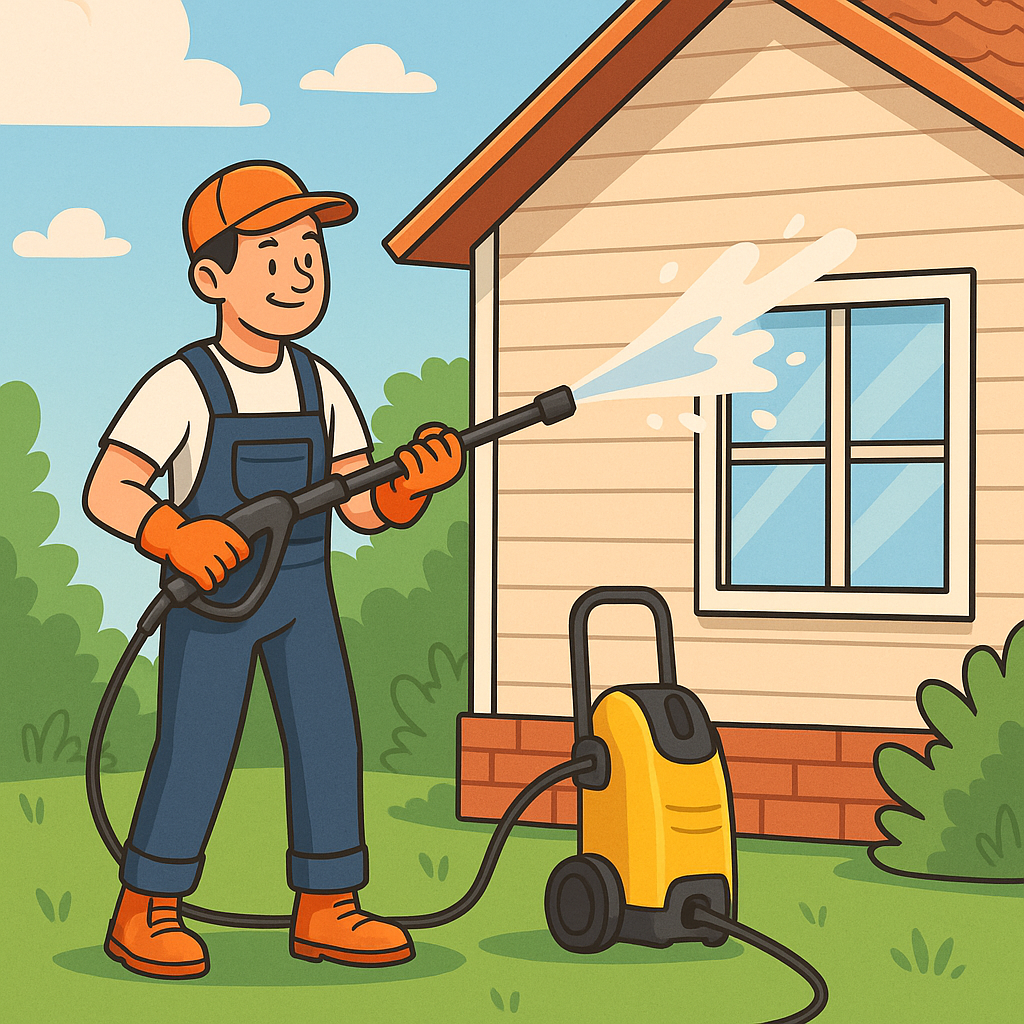
👋 Introduction When it comes to keeping your home’s exterior spotless, knowing when to use high-pressure cleaning or a gentler, chemical-assisted wash can save you money and prevent costly damage. In this post, we’ll break down the differences between pressure washing and soft washing, when to choose each, and why hiring a pro makes a big difference. ⸻ 💧 What Is Pressure Washing? • Uses high pressure (1,300–4,400 PSI) to blast away dirt, grime, loose paint, and mildew. • Ideal for tough surfaces like concrete driveways, stone patios, and brick walkways. • Risk: Can damage siding, wood, or paint if misused. ⸻ 🌼 What Is Soft Washing? • Uses low pressure (≤ 500 PSI) with biodegradable cleaning solutions. • Gently removes mold, algae, moss, and mildew without damaging surfaces. • Perfect for roofs, vinyl siding, wood panels, and painted exteriors. 🔍 Side-by-Side Comparison
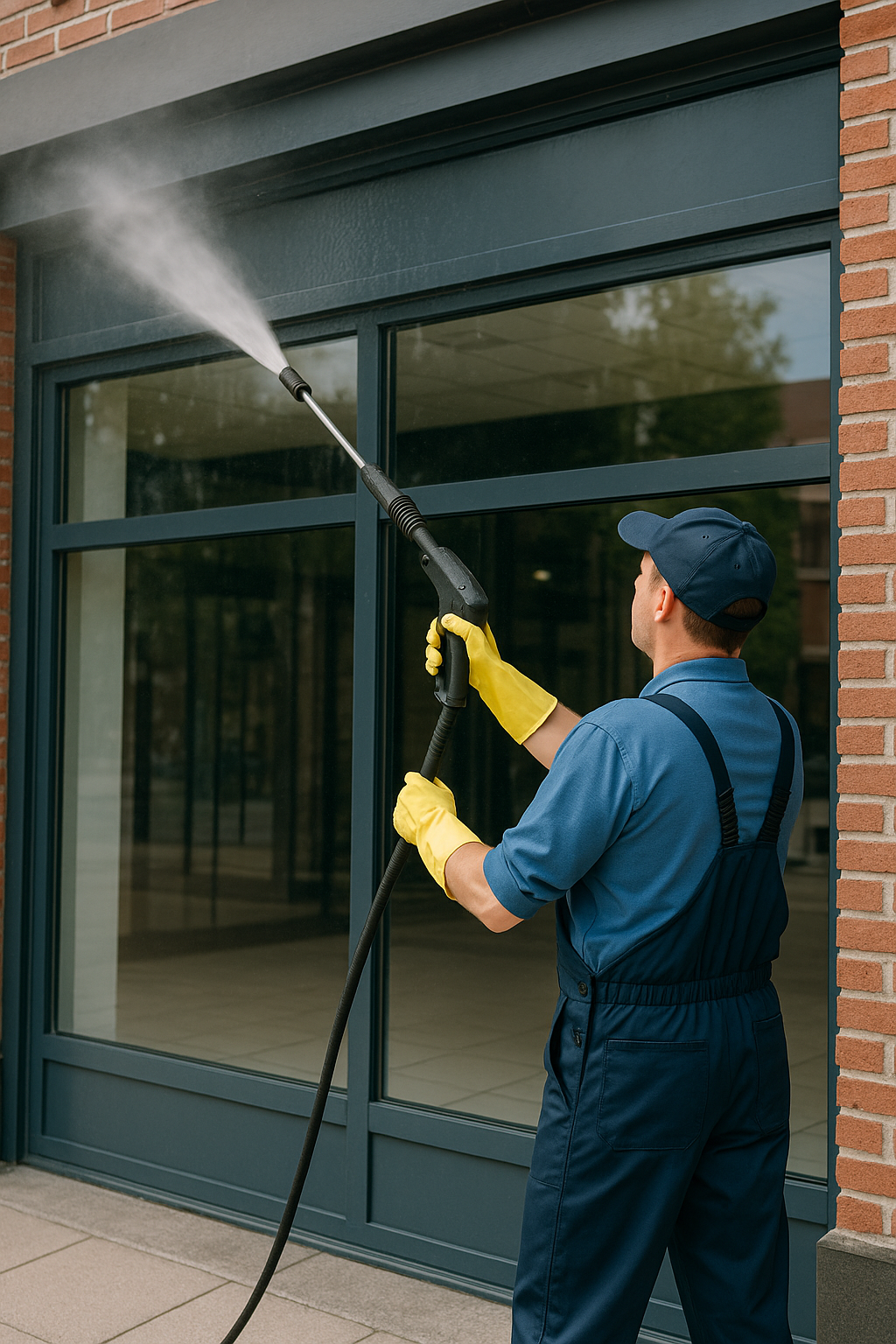
Commercial Pressure Washing: Essential Tips for Business Owners For business owners in Richmond, VA, maintaining a clean exterior isn’t just about looks—it’s vital for safety, reputation, and even legal compliance. From sidewalks to dumpster pads, here’s what you need to know about commercial pressure washing: ⸻ 🔹 Why It Matters 1. Boosts Curb Appeal & Brand Image • A clean storefront or office exterior forms the first impression, encouraging customers to step inside . • Clean windows and awnings enhance brightness and professionalism . 2. Increases Safety & Reduces Liability • Removing oil, gum, algae, and debris from sidewalks prevents slip-and-fall accidents . • Businesses see fewer claims when maintaining clean, safe entrances . 3. Improves Hygiene & Sanitation • Dumpster zones and grease areas attract pests and odors—pressure washing keeps them clean and sanitary . • Regular cleaning removes bacteria and mold buildup . 4. Protects Property Value • Dirt, mildew, and grime degrade surfaces over time—pressure washing helps preserve materials and avoids costly repairs . • A clean exterior can increase lease or resale value and attract tenants faster . 5. Supports Environmental & Compliance Goals • Eco-friendly cleaning prevents contaminants from entering storm drains—avoiding fines . • Meeting local health code standards, particularly for restaurants and retail, shows professionalism . ✅ Best Practices for Commercial Pressure Washing 1. Conduct a Thorough Site Assessment • Check for uneven surfaces, drainage issues, electrical hazards, and fragile materials before washing. 2. Choose the Right Equipment & Pressure • Use hot water for grease-heavy surfaces like gas stations or garage floors; cold water for general cleaning. • Select the correct nozzle: wide-angle nozzles (25–40°) prevent surface damage. 3. Prioritize Safety • Staff need full PPE: goggles, gloves, steel-toed boots, face shields, hearing protection, and respirators when needed. • Use lockout-tagout protocols for commercial/industrial equipment. • Place warning signs and contain runoff to prevent slips and cross-contamination. 4. Follow Safe Operation Procedures • Read the manual and train staff on emergency shutdown and nozzle changes. • Maintain safe distance, avoid pointing at people or fragile surfaces. • Wash from top to bottom to reduce streaking and water waste. 5. Use Safe Cleaning Solutions & Eco-Friendly Methods • Choose biodegradable detergents to protect plants and waterways. • Capture and properly dispose of wastewater according to local regulations. 📅 Recommended Cleaning Schedule • Building exteriors & storefronts: 1–2× per year • Sidewalks, entryways, patios: quarterly • Dumpster pads & grease areas: monthly or as needed (especially for food service business health code compliance) ⸻ Ready to Clean Up Your Business? Elevate your Richmond business today : • Free on‑site assessments to create a customized service plan • Flexible scheduling to minimize disruption (after hours/weekends) • Licensed, insured, and experienced technicians using eco‑friendly equipment 👉 Call us at 804-892-9983 or request a free quote online now! Let’s give your storefront, sidewalks, and service areas the professional clean they deserve.